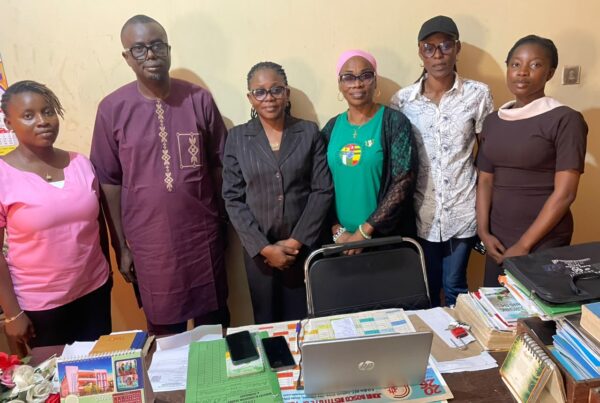
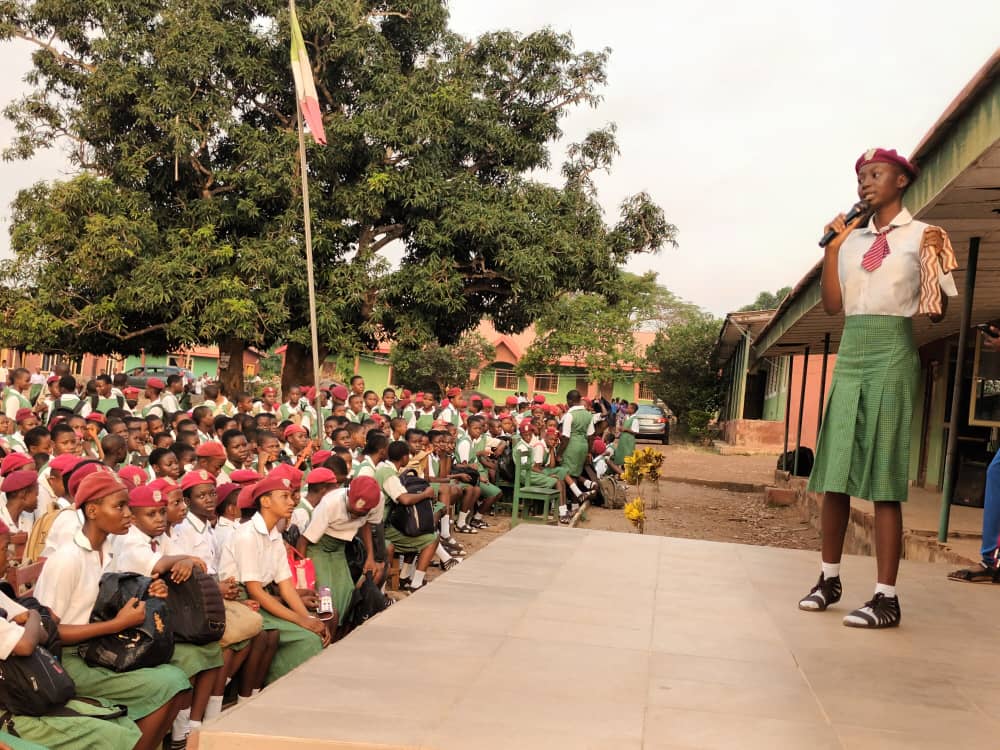
Akure, Nigeria — In a bid to expand its grassroots campaign against Female Genital Mutilation, Rhealyz Africa on Friday brought its message of protection and empowerment to Fiwasaye Girls’ Grammar School, where hundreds of students gathered for an assembly centered on the dangers of the practice.
The initiative forms part of the organization’s broader push to curb FGM through education, youth engagement, and open dialogue—strategies advocates say are essential in regions where the practice persists despite growing legal and social opposition.
During the assembly, Precious Aina, Team Lead of the Rhealyz Africa Girls’ Capacity Attainment Programme (Girls’CAP), offered what many students described as their first clear explanation of what FGM entails. She defined the practice as the partial or total removal of female genitalia—an act that can have profound physical, emotional, and psychological consequences.
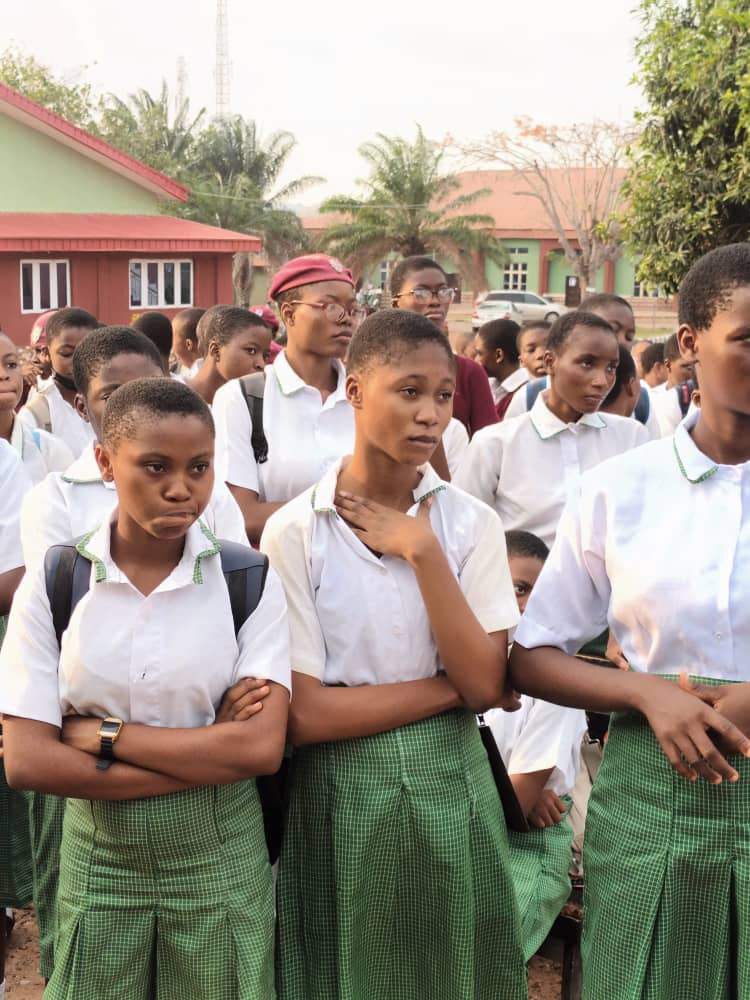
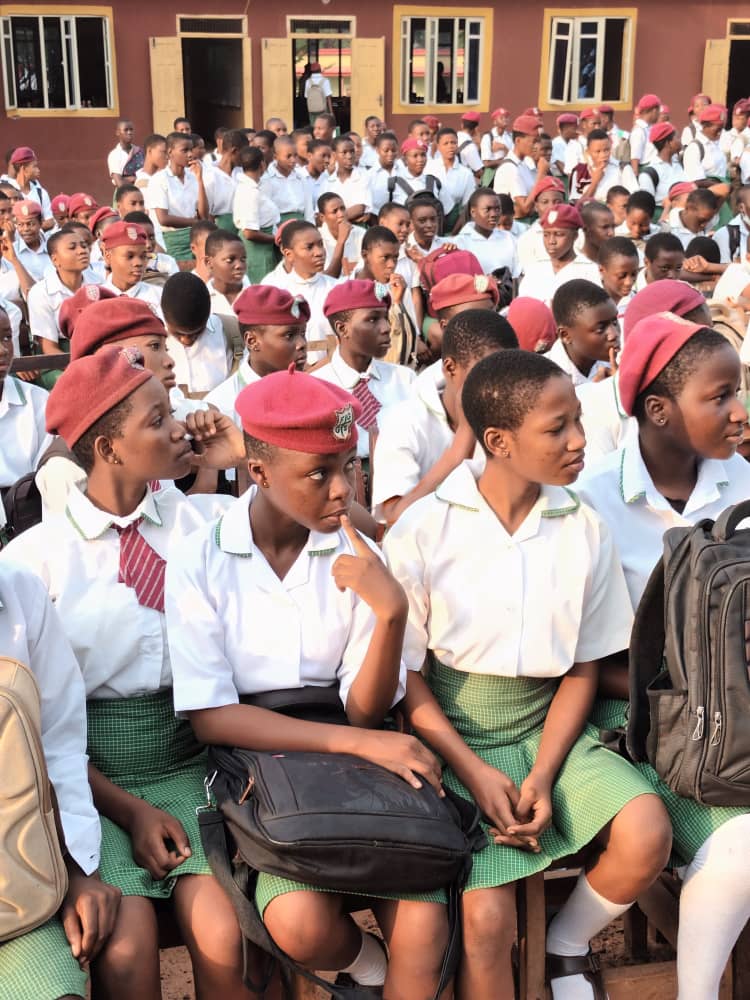
As Aina spoke, students grew visibly still. Some listened with surprise, others with concern, as the session delved into the long-term health risks associated with FGM, including complications during childbirth, infections, and reduced self-esteem. For many of the girls, the conversation opened a topic rarely discussed openly in their communities.
What made the session resonate even more, educators said, was the relatability of the messenger. Aina—young, confident, and speaking candidly about a sensitive issue—held the attention of the students in a way adults often cannot. Her delivery underscored a growing belief among advocates that peer-led engagement may be one of the most effective tools in shifting attitudes about FGM.
Rhealyz Africa emphasized that creating safe, judgment-free spaces for girls to learn and ask questions remains a cornerstone of its mission. By equipping young people with accurate information and the confidence to challenge harmful traditions, the organization hopes to strengthen community-level resistance to FGM.
The assembly concluded with what teachers described as a “noticeable shift in awareness.” Several students expressed gratitude for the discussion and a renewed commitment to stand against practices that endanger girls’ health and futures.
Rhealyz Africa’s work at Fiwasaye School marks another step in its expanding campaign to support and safeguard girls—one classroom, one conversation at a time.